

Dentures | Oakbrook Terrace, IL
- A conventional denture is made after all teeth have been extracted and the tissues (gums) have healed.
- An immediate denture is fabricated and inserted immediately after the teeth are extracted and the tissues are allowed to heal under the denture.
- An upper denture has acrylic, usually flesh colored, that covers the palate (roof of the mouth).
- A lower denture is shaped like a horseshoe to leave room for the tongue.
Dentures can be fabricated to fit over endodontically treated teeth, and a complete denture can be attached to dental implants to allow for a more secure fit of the appliance.
Caring for Your Dentures
Caring for your dentures properly requires daily habits to keep them clean, comfortable, and functioning well. A gentle brushing routine is essential: use a soft, large nylon brush with rounded bristles to clean all surfaces, inside and out. Denture creams are the preferred choice for cleaning because regular toothpastes are too abrasive and can leave scratches. After brushing, rinse with cold water, as heat can warp the material. When you’re not wearing your denture, keep it covered in water or a proper soaking solution so that it doesn’t dry out.
Restore Your Smile’s Strength and Function
Don't let dental discomfort hold you back. The team at Awesome Dentistry uses modern, durable treatments to repair damaged teeth and return confidence to your bite.
Denture Exams
Regular checks help you notice changes in appearance or performance. Worn or stained teeth can affect both function and facial aesthetics. Loose dentures should never be ignored, since they may create friction points that irritate gum tissues or contribute to bone loss. Medications you take can influence oral health, so share any updates with both your doctor and us. Regular checkups help us catch small issues early.
Denture Exam Overview
At your denture checkup, Drs. Ivanova, Aleman or Kufta can assess your dentures for cracks, chips, and broken or loose teeth and suggest solutions. A typical examination will include:
- Update of medical and dental history chart
- An examination of your oral cavity
- Tissue and bone assessment
- Denture stability and bite examination
- Cleaning and polishing of your denture
- Oral hygiene review
Denture Wear and Tear
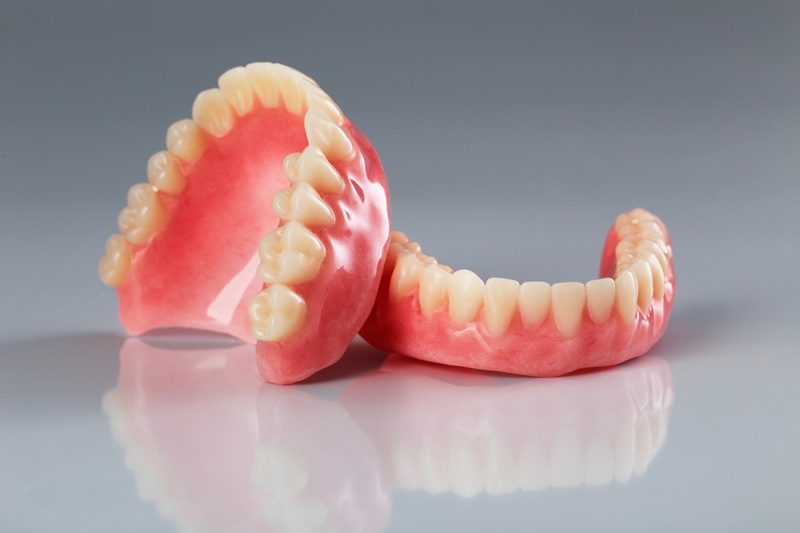 Most dentures last between five and ten years. Over a normal course of time, normal wear leads to the denture needing replacement, relining, or repair to keep the jaw alignment normal and the fit of the denture comfortable and snug. The alignment will slowly change as the bone and gum ridges recede or shrink due to the extraction of the teeth. Fortunately, most insurance plans offer benefits for replacement dentures every few years, often on a five-year cycle. Regular dental examinations are still important for the denture wearer so that the oral tissues can be checked for disease or change.
Denture Relines
As time goes on, your gum tissues will change, and the fit of the denture will become loose and thus more prone to movement inside your mouth. Having the denture professionally relined every one to two years will keep the denture secure and functional. There are several options available depending on your needs.
- Hard Denture Reline: A hard reline is recommended every two years. Your Practice Name removes a layer of plastic from the dentures interior surface, and then fills the denture with a putty-like material which conforms to the contours of your mouth creating an accurate impression. The denture is sent to the lab where it is adjusted to the new shape of your gum tissue. This results in maximum contact between the denture and your mouth.
- Soft Denture Reline: For patients who are unable to wear ordinary dentures because of tender gums or sore spots, we may recommend relining the denture with a material that stays pliable for one to two years before needing replacement.
- Temporary Reline: If dentures have not been serviced in quite some time, a patient’s gums may be red, swollen, or misshapen. A temporary reline material may be recommended to allow the inflammation to subside. This reline makes the denture fit much more tightly, and is usually soft and pliable. After a few weeks, the gums return to a more normal state. The patient is then ready for his new denture or a hard reline.
Denture Rebase
Rebasing may be recommended when the teeth of your denture are still in good condition and have not worn out in comparison to the denture base material. Rebasing is the process of replacing the entire acrylic denture base, providing a stable denture without replacing the artificial teeth. A rebase for a denture may be required if your denture is old or cracked.
Reasons for the rebase procedure may include:
- Broken or damaged denture
- Weakened or old pink denture base
- Replacement of an immediate denture
Denture Repairs
A variety of circumstances can lead to a damaged denture and should be addressed immediately. Repairs restore a fractured or damaged denture close to its original condition. Awesome Dentistry can often provide denture repair procedures on a same day basis. Drs. Ivanova, Aleman or Kufta will advise you of the condition of your denture and will recommend steps needed in preventing further damage.
