
TMJ Treatment
Temporomandibular joint – TMJ Relief in Oakbrook Terrace, IL
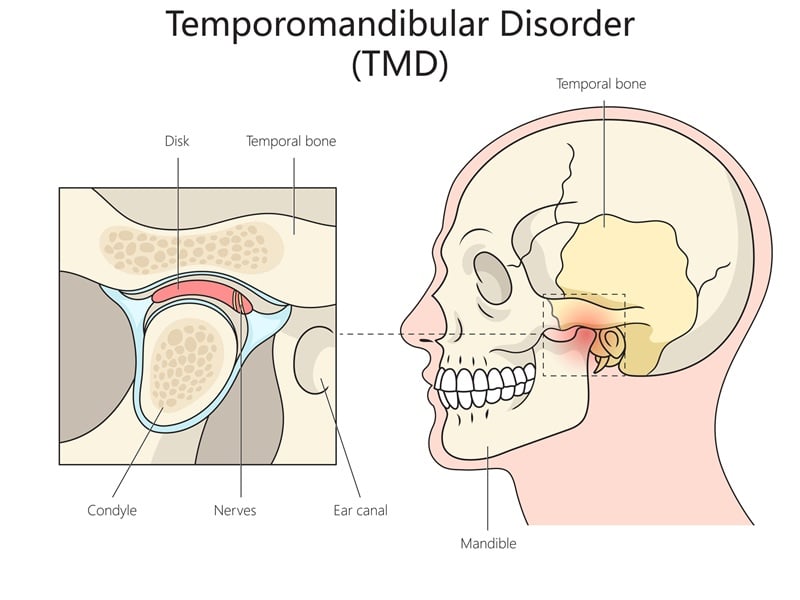 The temporomandibular joint (TMJ) is a critical joint linking the skull to the lower jaw. It operates with complex precision as both a hinge and a sliding mechanism. Imagine TMJ as a complex dance of muscles, ligaments, and bones that enables the flow of conversations and the enjoyment of meals. Only when this harmony is disrupted, manifesting as TMJ disorders, do we truly appreciate the seamless function bestowed upon us by this joint.
Demystifying TMJ Disorder
Temporal Mandibular Joint (TMJ) disorders represent a spectrum of conditions affecting the joint that hinges the jaw to the cranial structure. Symptoms can be multifaceted, including jaw pain, earaches, headaches, and difficulty chewing. It is essential to understand that TMJ disorders are not singular in their manifestation but diverse in origin and impact, making accurate diagnosis a cornerstone of effective treatment.
The etiology of TMJ disorders encompasses a range of potential causes, from trauma to genetic predisposition or even habitual behaviors such as clenching or grinding of teeth. This complexity underscores the necessity for a comprehensive evaluation by dental or medical professionals adept at navigating the nuances of this condition.
Root Causes of Jaw Dysfunction
The Temporomandibular Joint (TMJ) intricately balances muscle, bone, and connective tissues, orchestrating movements required for speech and mastication. Dysfunction often traces back to a misaligned bite or injury. Stress-induced behaviors such as bruxism or teeth grinding act as a silent epidemic. Over time, they exert undue strain on the TMJ, leading to pain and compromised movement. TMJ disorders impact over 10 million people in the United States, highlighting a significant health issue nationwide.
Symptoms that Spell TMJ
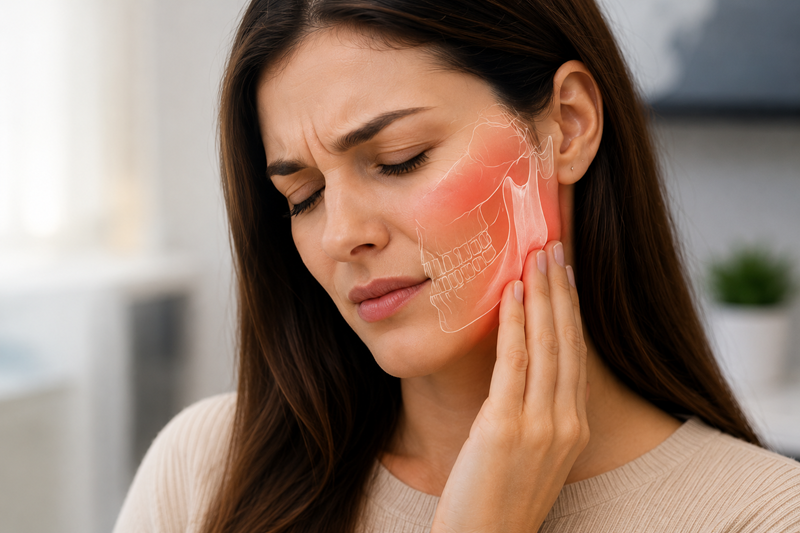
Chronic pain radiating from the jaw region, alongside headaches, earaches, or facial discomfort, indicates the possibility of TMJ disorders. Distinct clicking or popping sounds when moving the jaw are customary indicators. Jaw movement may become limited or locked. Patients who experience stiffness often struggle with everyday activities. Swelling on one or both sides of the face can manifest, hinting at underlying inflammation within the temporomandibular joint.
Traditional TMJ Treatment Approaches
 Traditional management of TMJ disorders centers on a conservative, non-invasive protocol. This often includes patient education on behavioral modification, such as avoiding excessive jaw movements, implementing stress reduction techniques, and engaging in jaw exercises to strengthen the surrounding musculature and improve joint mobility. The utilization of oral appliances, or splints, is also commonplace, providing immediate relief by positioning the jaw in a manner that reduces strain on the TMJ.
In cases where more intervention is required, pharmacological options may be prescribed. Anti-inflammatory medications and muscle relaxants are commonly used to alleviate acute exacerbations of TMJ pain and inflammation. Physical therapy and counseling may also be integrated into a comprehensive treatment plan.
The Role of Dental Devices
Dental devices, such as oral splints or night guards, serve crucial roles in managing TMJ disorders. They function to position the jaw more favorably, distributing forces evenly across the temporomandibular joint. This can prevent the overuse of certain muscle groups and reduce the stresses on the jaw joint. Stabilization splints, often worn at night, are a conventional, noninvasive intervention to relieve symptoms.
Xeomin Botox: An Unconventional TMJ Remedy
Botox, known primarily for its cosmetic applications in diminishing facial wrinkles, is now emerging as a promising treatment for temporomandibular joint disorders (TMJ). When meticulously administered, Xeomin Botox injections can provide profound relief for individuals enduring the tenacious pain associated with TMJ syndrome.
How Botox Targets TMJ Pain
Xeomin Botox, a refined botulinum toxin type A, inhibits nerve signals. When injected, it relaxes muscles, reducing the intensity of TMJ symptoms and alleviating pain associated with muscle tension and contractions. It precisely blocks neurotransmitters that cause muscle tightness in the jaw area, significantly reducing jaw tension and discomfort.
Furthermore, Xeomin Botox is strategically administered to target the muscles involved in TMJ, minimizing their hyperactivity and the associated pain. By reducing muscle activity, Botox helps decrease the stress exerted on the jaw joint.
Advantages of Choosing Xeomin Botox for TMJ
Botox possesses the remarkable ability to alleviate pain and diminish inflammation associated with TMJ, thereby offering significant relief. Its precise targeting only the tense muscles reduces unnecessary intervention in the unaffected areas, safeguarding the jaw’s natural functionalities. This treatment strategy also underscores Xeomin Botox’s less invasive nature compared to surgical alternatives.
Long-Term Relief, Minimal Intervention
- Lasting results
- Reducing the frequency of TMJ-related pain episodes
- Aligning with a patient’s desire for ongoing respite without extensive medical procedures
The treatment intervals extend over time, fostering a durable solution without constant medical attention.
Enhancing Jaw Function and Aesthetics
Botox therapy goes beyond pain alleviation, significantly enhancing the quality of life by improving jaw function. Easing muscular tension can enhance everyday comfort, making actions like eating and talking more pleasurable. Additionally, the aesthetic benefits are notable, often reducing the appearance of a pronounced jawline.
Awesome Dentistry is here to guide you from understanding the complexities of the TMJ and recognizing the signs of dysfunction to exploring the advantages of Xeomin Botox as a non-invasive remedy. Our use of dental devices and Botox injections aims to alleviate pain and enhance your jaw’s functionality and appearance, offering a dual benefit that can significantly improve your quality of life.
Ready for a Brighter, More Confident Smile?
Transform your appearance and boost your confidence. The expert team at Awesome Dentistry offers customized cosmetic treatments designed to give you a flawless, natural-looking smile.
